Tips for Picking the Proper Dumpster Size
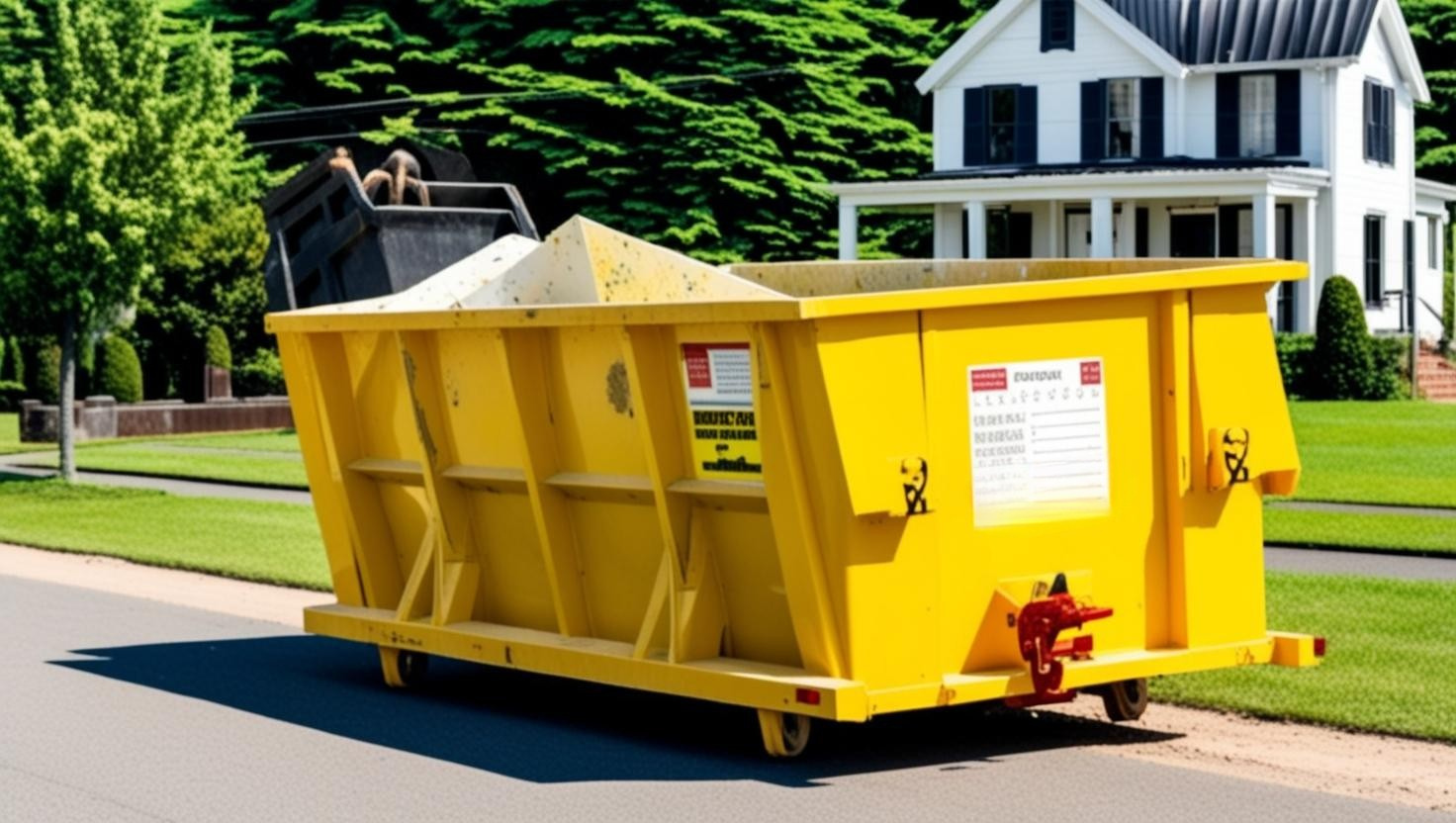
During preparation for a cleanup, remodel, or building job, a frequently ignored step is choosing the appropriate dumpster size. Often the work takes priority while waste management is forgotten, creating risks and inefficiencies. Choosing a dumpster that is too small may cause overflow and multiple hauls, while one that is too large may take up unnecessary space. The foundation of waste management lies in choosing the right container, allowing debris to be handled in an orderly fashion.
At Junk Bee Gone, we understand how vital this decision is for the success of your project. Dumpsters serve beyond waste disposal, acting as an essential resource to keep worksites clear and safe. Understanding how to measure waste requirements helps you prevent setbacks and maintain workflow. Choosing correctly minimizes read more clutter and enhances safety for all participants. By being deliberate, you turn dumpster choice into a planned step rather than a guesswork decision.
Evaluating the Scope of Your Project
The first step in choosing a dumpster is to carefully assess the scope of the project. Projects can vary widely, from small cleanouts to large-scale construction efforts. Waste volume is influenced by both the nature of the job and the types of materials used. For example, furniture, household items, roofing, or yard waste each produces different amounts of debris. By considering the full range of waste that will be generated, you can better predict the size of the container that will serve your needs.
Think about the duration of your project as well, since longer jobs typically accumulate more debris over time. In projects with stages such as teardown and rebuilding, debris volume grows differently at each step. By accounting for these details, the selected container can manage debris continuously without problems. Doing so avoids interruptions and reduces the need for extra hauls, ensuring steady progress. In the end, considering both scope and duration gives you a more accurate match for your waste disposal needs.
How Waste Materials Influence Container Selection
The nature of waste varies, making it important to identify material types before choosing a dumpster. Weighty items such as concrete and soil differ greatly from lighter materials like furniture or paper. Bulk and density determine the space required regardless of overall weight. Misjudging this can lead to overloading or inefficient use of container space. Proper recognition of material type ensures your container is neither overfilled nor underutilized.
By identifying the main categories of waste before your project begins, you can match the dumpster to your requirements more accurately. Think about whether the majority of waste will be construction debris, yard trimmings, or home junk. Each type of waste has unique characteristics that influence the best dumpster option. Being aware of this helps you plan more effectively, making sure your rental is used fully without stressing the container. Preparedness helps align dumpster capacity with the materials disposed.
Factoring Location and Position
Placement of the dumpster is a key factor in selecting the right container. The container’s location must allow easy service access and convenience for workers. Large dumpsters in tight areas may cause space conflicts and logistical issues. Conversely, a dumpster that is too small may force frequent moves, slowing down progress. A balance between available space and container size is crucial for efficiency and safety.
The site’s overall layout, such as driveways or open spots, should influence the choice. Measuring available space before making a selection prevents surprises during delivery. It is also essential that the container is placed to avoid blocking access routes or creating hazards. Good positioning guarantees ease of use during the entire job, keeping disposal efficient. Planning container space wisely allows for efficient and safe project operations.
Estimating Volume Accurately
Correctly assessing how much debris your work will create is crucial when selecting the right container. It is common for people to misjudge debris buildup, often leading to overflow and added hassle. The most effective method is to create a structured plan starting with a list of all items and materials for disposal. Dividing the job into phases and estimating debris at every stage gives you a clearer understanding. Such preparation reduces unexpected problems and ensures the chosen dumpster is suitable.
Imagining debris in terms of truckloads is another way to match it to container requirements. While it is easy to think that waste will take up less space, bulkier items like furniture or large boxes can consume capacity faster than expected. Leaning toward a larger estimate is usually better because it covers unexpected waste. Accurate assessment helps you pick a container that supports your project without disruptions. Such foresight ensures a steady workflow and prevents problems with insufficient container space.
Benefits of Choosing the Right Size
Selecting the correct dumpster size provides several advantages beyond simple waste collection. When a dumpster fits correctly, clutter is reduced, supporting both safety and productivity. Workers spend less time moving debris around and more time focusing on their tasks. Such order fosters a more professional environment by keeping spaces clear and ready. In the end, having the correct dumpster leads to smoother work and reduced risks.
A further advantage is avoiding repeated trips or additional pickups. With a container that accommodates everything, progress flows steadily from beginning to end. It also supports better cost-effectiveness, since multiple hauls can be avoided. Most importantly, having the right dumpster size prevents frustration and allows your project to move forward without interruptions caused by waste management issues. The right choice creates steady momentum and efficiency.
Partnering With Professionals for Container Choice
If you are unsure about the correct size, consulting experts is the smartest option. Experts evaluate your needs and suggest options from their practical knowledge. A trusted provider knows how to match container capacity with project demands, saving you from costly mistakes. This guidance is especially important for people renting a dumpster for the first time or managing uncommon waste. Guidance from specialists makes selection easier and more accurate.
Junk Bee Gone has assisted countless clients in selecting the most effective dumpster size for their needs. Our staff carefully considers details of your project, including debris type and quantity. From there, we recommend a dumpster that combines practicality and ease of use, letting you stay focused. With our support, you gain confidence that your selection is supported by expertise. Relying on professionals ensures dependable and hassle-free disposal.
Making an Informed Dumpster Choice
Choosing the right dumpster size is an essential part of successful waste management for any project. Looking at project scope, debris type, space available, and expected volume enables a better decision. Such measures support safety, organization, and productivity throughout the project. A well-planned choice avoids unnecessary complications, keeping your project moving forward with confidence. The right choice fosters steady project progress and reliability.
At Junk Bee Gone, we focus on supporting customers in making well-informed waste handling decisions. Our expertise allows us to guide you toward a dumpster that suits your project perfectly. From household jobs to renovation and construction, our solutions keep waste handling reliable. With the right dumpster in place, you can focus on what truly matters: completing your project successfully. Our mission is to ensure waste management is straightforward and supports your success.